|
I am a PhD student of GrUVi Lab at Simon Fraser University under the supervision of Prof. Hao Zhang. In general, I am interested in computer graphics, geometric-modeling and visual problems. Before that, I obtained my master degree in Data Science at ETH Zürich. I worked with Prof. Hermann Blum and Prof. Francis Engelmann at the CVG on video and 3D scene understanding. Previously, I obtained my Bachelor's Degree in Physics from Peking University where I closely worked with Prof. Zhanxing Zhu. |
|
|
|
|
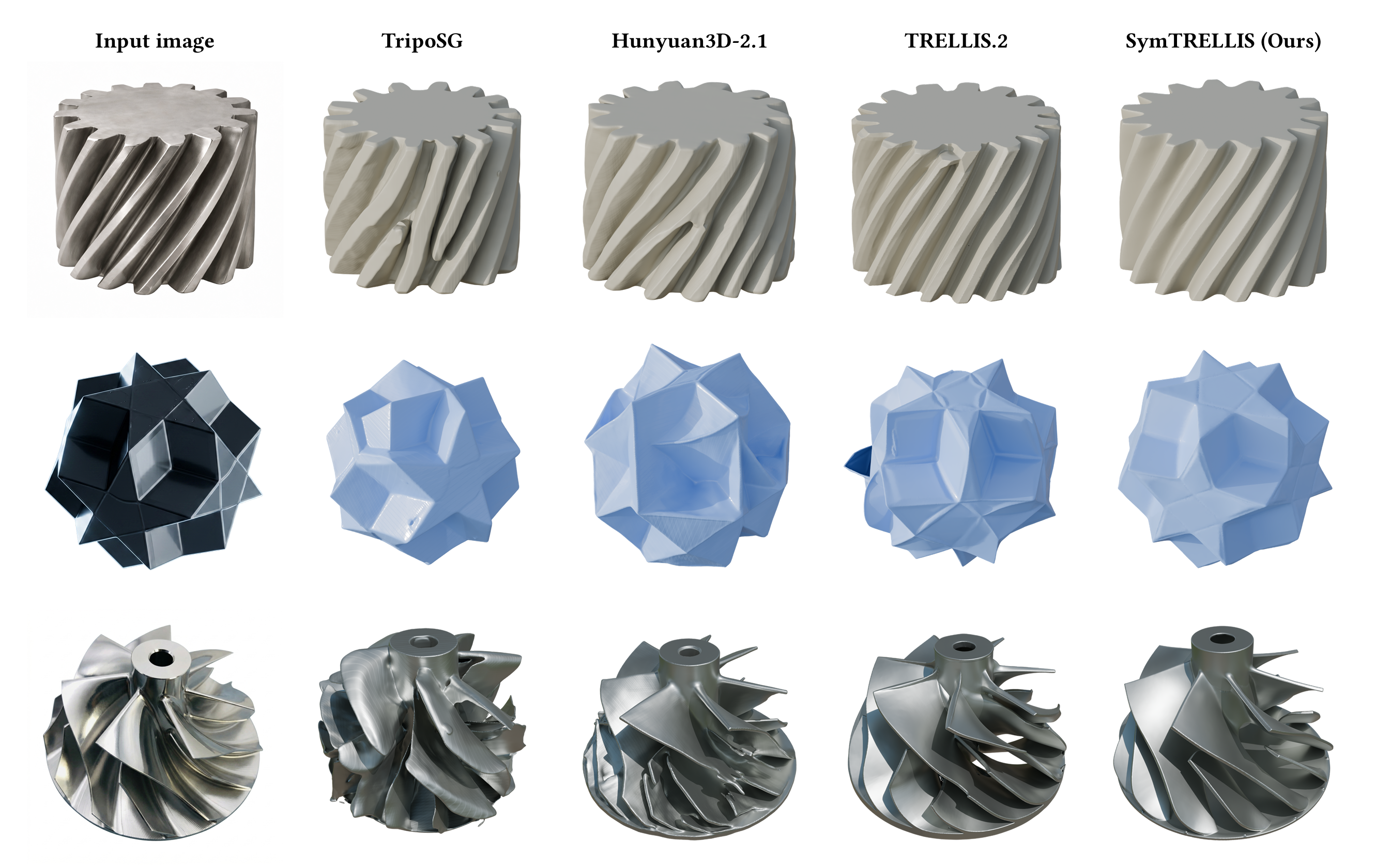
Guangda Ji, Qimin Chen, Qinchan Li, Mingrui Zhao, Kai Wang, Hao Zhang. ACM SIGGRAPH Asia 2026 Technical Paper project site | code | paper pdf | arxiv | demo | models | training data | dataset (TBD) We proposed a method that enforces arbitrary finite 3D point-group symmetries directly during generation for voxel-based models such as TRELLIS.2 and SAM 3D, without flow or VAE retraining or generation-time optimization. |
|
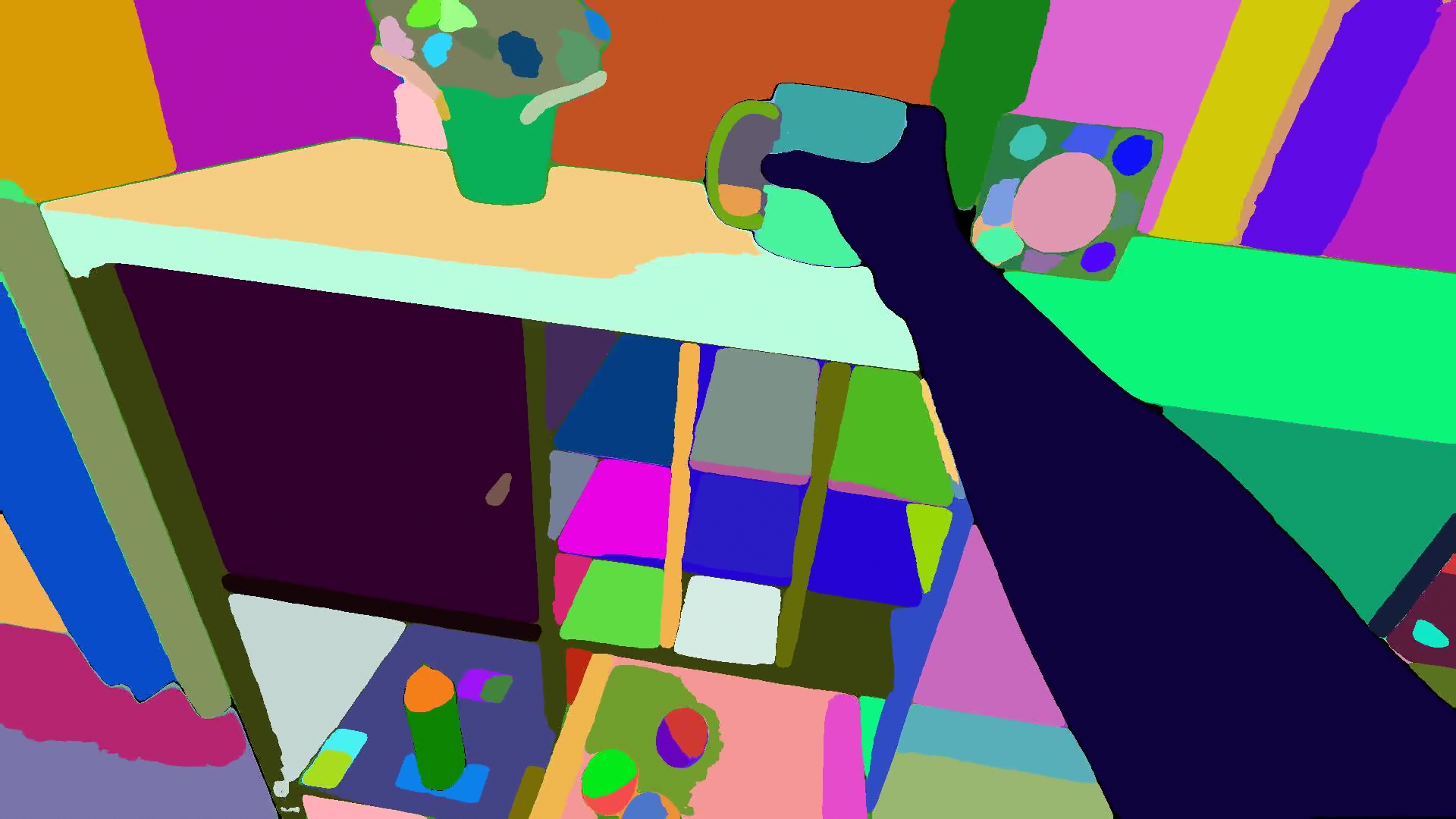
Guangda Ji. code | thesis pdf Master thesis supervised by Hermann Blum and Francis Engelmann. The goal is to detect moving object relative to the static background and possibly the deforming objects, from purely RGB videos. See here for a short video demo. |
|
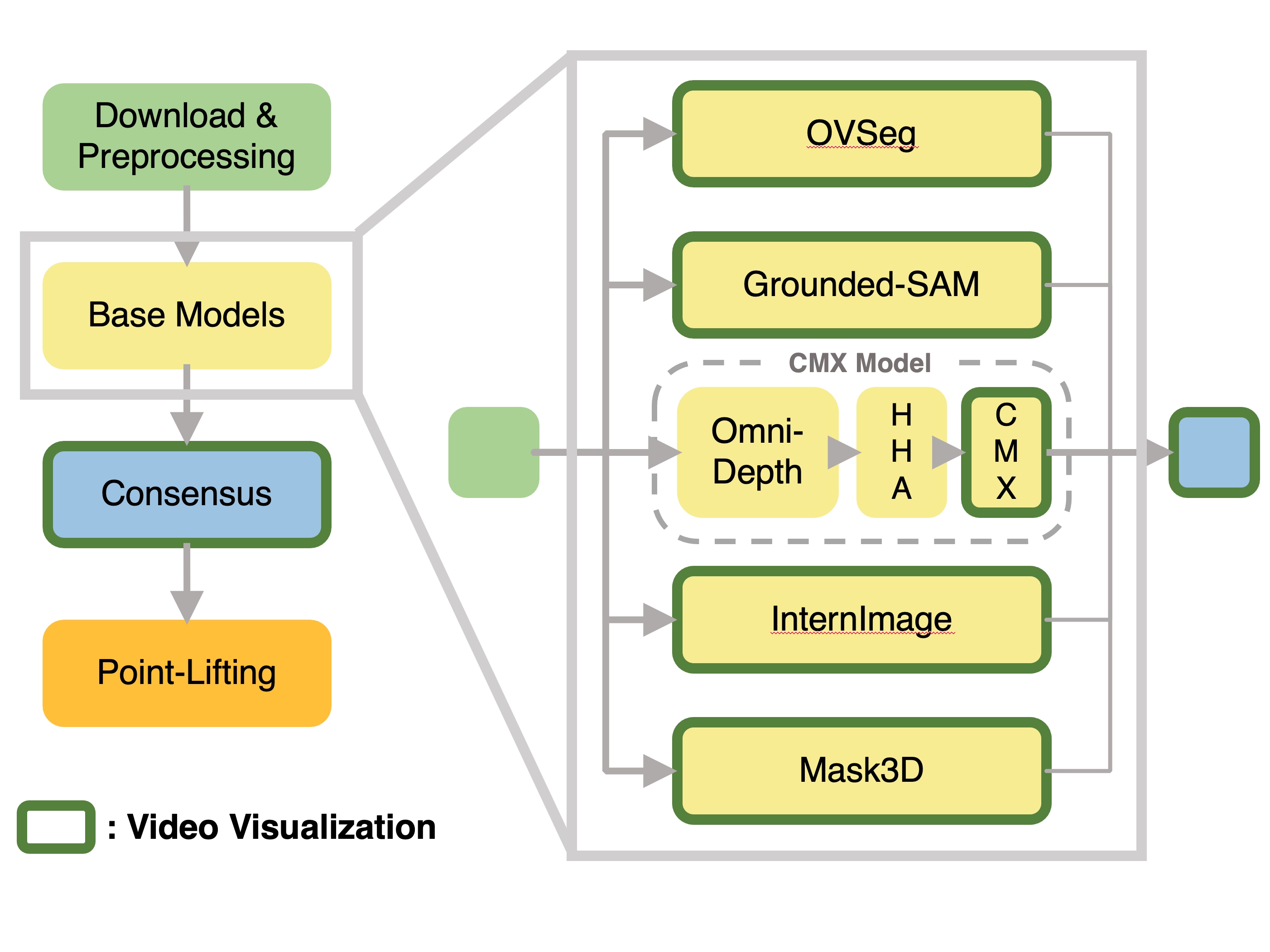
Guangda Ji, Silvan Weder, Francis Engelmann, Marc Pollefeys, Hermann Blum. CVPR, 2025 website | code | paper pdf | arxiv | dataset | ScanNet and ScanNet200 benchmark We apply LabelMaker automatic annotation pipeline to ARKitScenes dataset and construct a large 3D indoor semantic segmentation dataset. Using this dataset and Point Transformer V3, we achieve near state-of-the-art performance on ScanNet and ScanNet200 benchmark. |
|
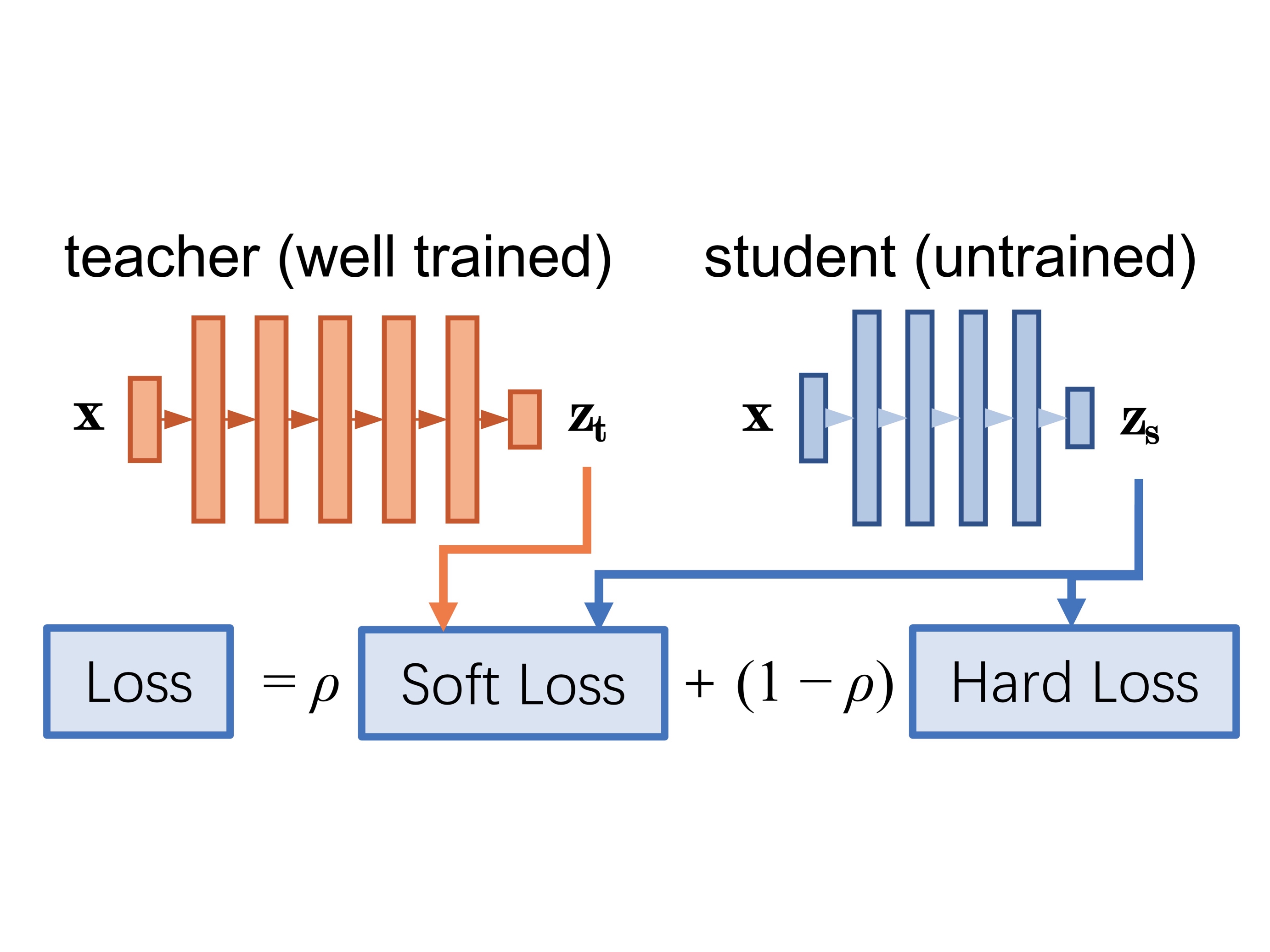
Guangda Ji, Zhanxing Zhu. Conference on Neural Information Processing Systems (NeurIPS), 2020 paper pdf | arxiv | poster | slides and recording Theoretical analysis of knowledge distillation using neural tangent kernel (NTK). |
|
|
|
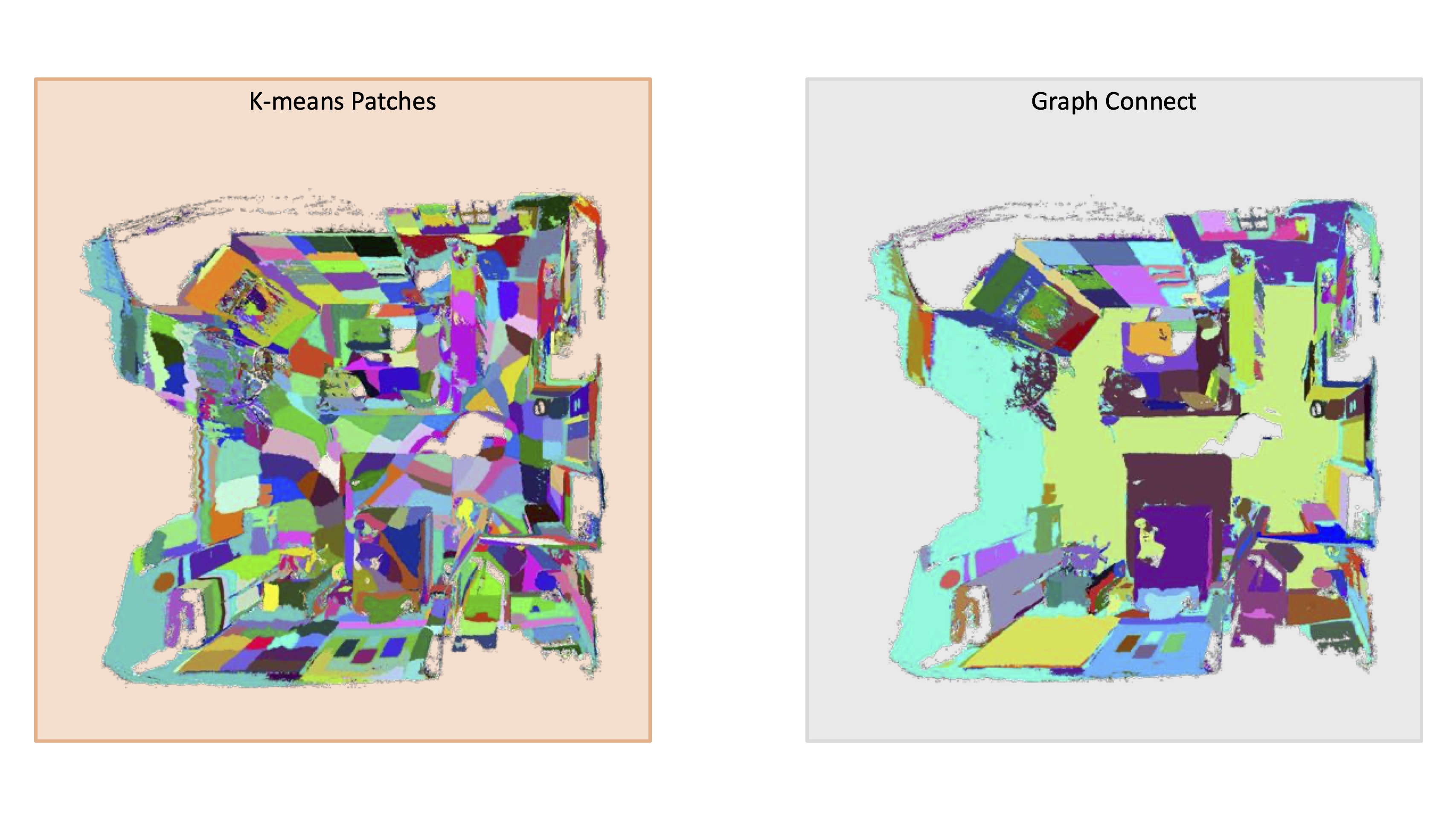
Guangda Ji. Semester thesis in 2023 supervised by Silvan Weder. report pdf | codebase In this project, I proposed a pipeline that fuses 2D instance segmentation into 3D. It first oversegments the 3D scene into pieces and merges them with a graph-connecting algorithm. This pipeline is designed to solve the route dependency issue of PannopticFusion. |
|
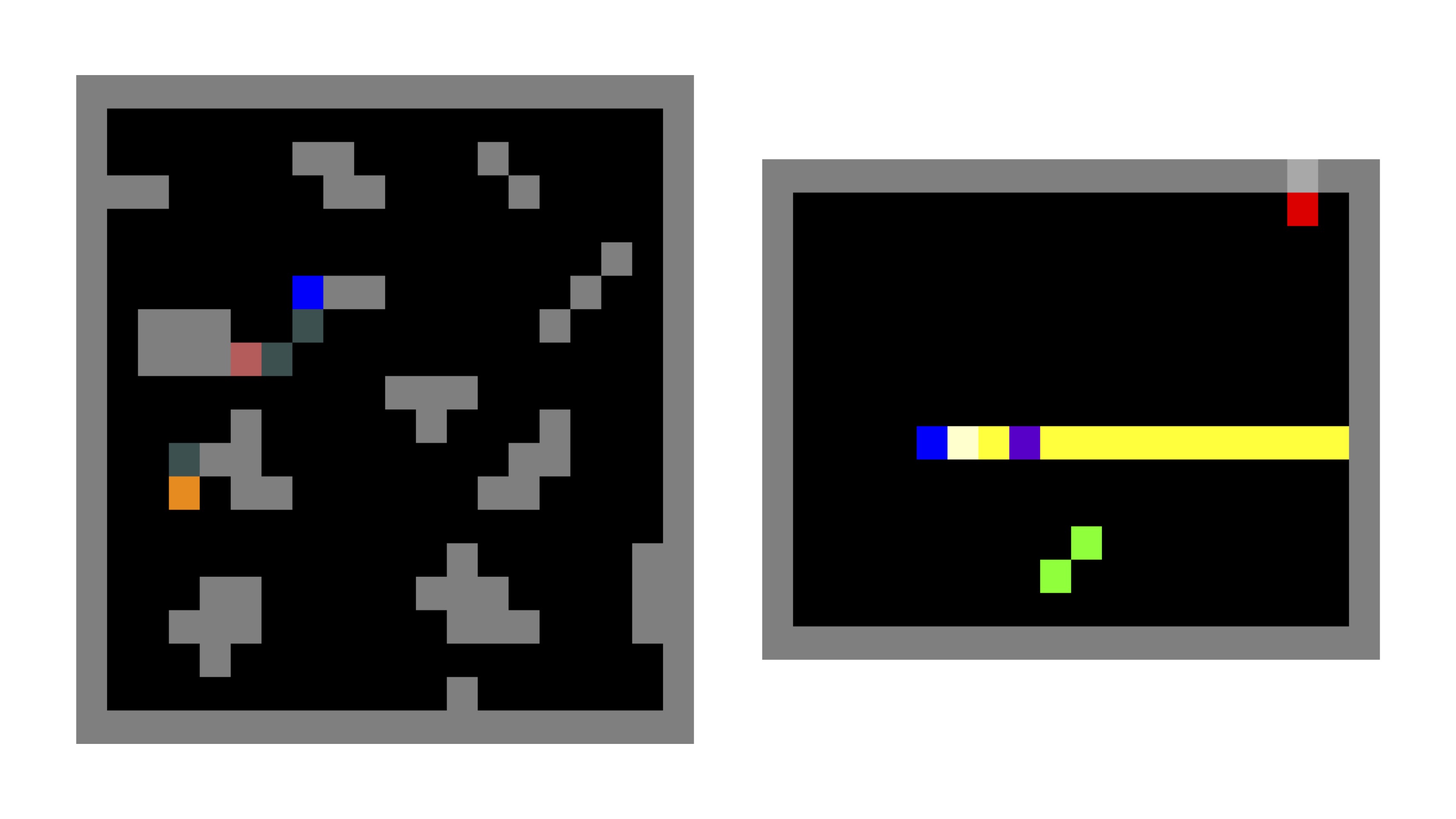
Guangda Ji, Minxuan Qin, Xuan'ang Lei. Course team project of Foundations of Reinforcement Learning, 2023 report pdf | codebase This project aims to apply Adaptive Mechanism Design (AMD), a multi-agent reinforcement learning algorithm to two complex Sequential Social Dilemma environment, Wolfpack and Gathering. We implement AMD in ray.rllib and the open
source realization of Wolfpack and gathering.
|
|
Source code of this website. Template adapted from this awesome website |